
Have you ever stepped onto a Japanese train and been surprised by how incredibly quiet it is?
I once had a friend visiting from overseas ask me, “Why are Japanese trains so silent?” 💭
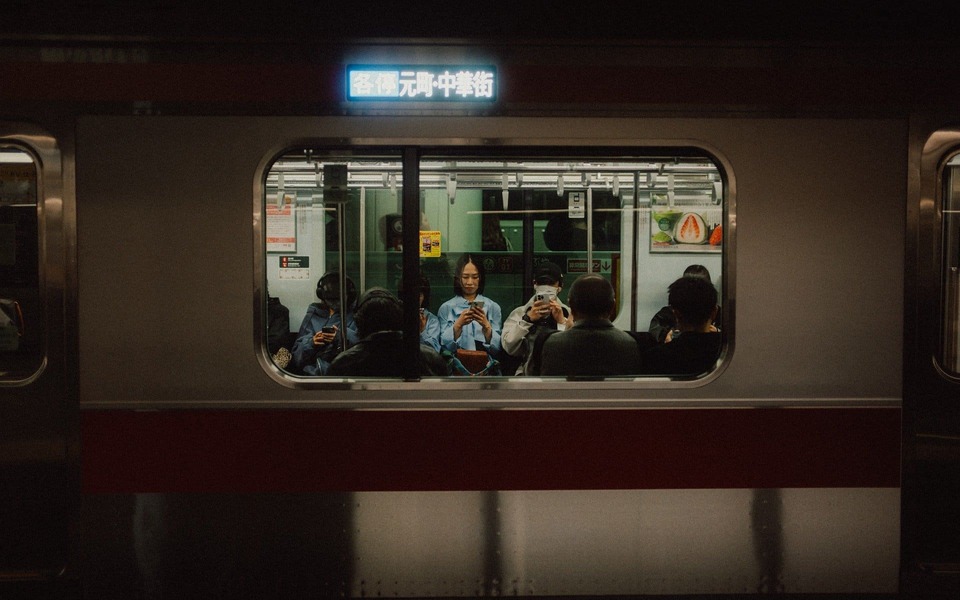
And honestly… they’re right! Most people are quietly looking at their phones, resting with their eyes closed, or simply sitting in silence. You rarely hear anyone chatting.
When I first came to Japan, I also wondered:
“Am I not supposed to talk here?”
“Will people get annoyed if I chat with my friends?” 😅
But don’t worry — by the end of this article, you’ll clearly understand why Japanese trains are so quiet and how much talking is actually acceptable ✨
🟨 Conclusion: The Silence Comes from a Culture of Consideration
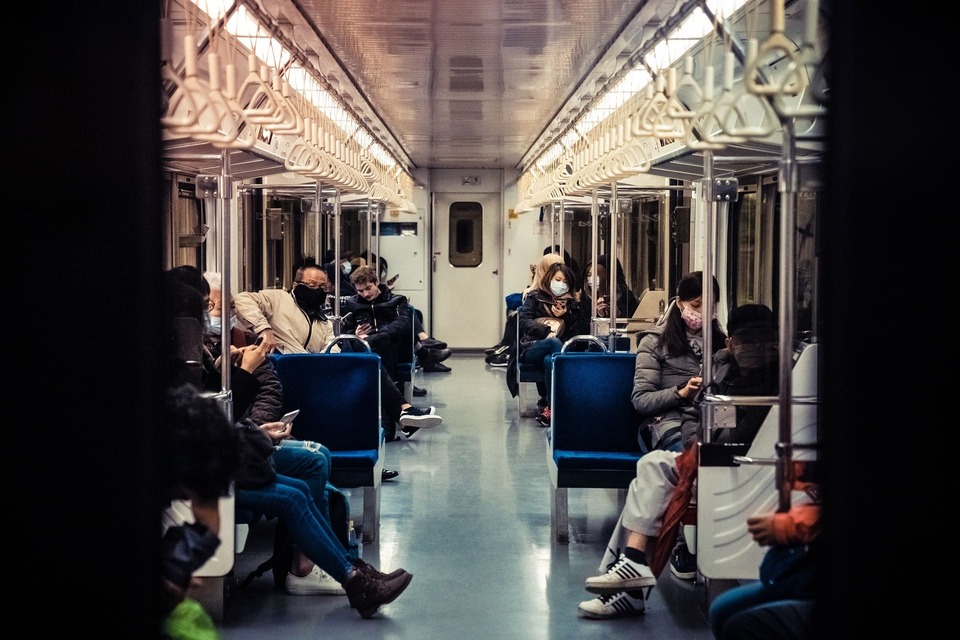
Japanese people don’t talk on trains because they don’t want to disturb others.
It’s not a rule or a law — no one will punish you for talking.
But Japan has a strong cultural value of keeping shared spaces comfortable for everyone, and that naturally creates quiet train cars 💡
Why Are Japanese Trains So Quiet? Here Are the 3 Main Reasons
✅ Reason 1: “Don’t bother others” is a deeply rooted value
From childhood, Japanese people are taught:
“Don’t cause trouble for others.”
In a closed space like a train — where people can’t escape noise — this mindset becomes even stronger.
- Loud voices can stress out the person next to you
- Some passengers may be tired or trying to sleep
- So people naturally lower their voices
This habit of being considerate creates the calm atmosphere you feel on Japanese trains 😌
✅ Reason 2: Trains are not just transportation — they’re also a place to rest
Many Japanese workers spend about an hour each way commuting.
So trains become more than just a way to get from A to B — they’re a rare moment to breathe during a busy day 😴
Morning commute
- A quiet moment to mentally prepare for work
- A time to settle into the day
Evening commute
- A chance to rest after a long day
- Many people close their eyes as soon as they sit down
In this peaceful environment, loud conversations can feel out of place 💦
✅ Reason 3: “Everyone is quiet, so I’ll be quiet too”
Japanese train culture has developed over many years, forming an unspoken rule.
- When everyone is quiet → you naturally become quiet
- Over time → “trains = quiet spaces” becomes the norm
It’s similar to walking into a library — your voice automatically softens 📚
What Japanese Trains Actually Feel Like: Real Situations
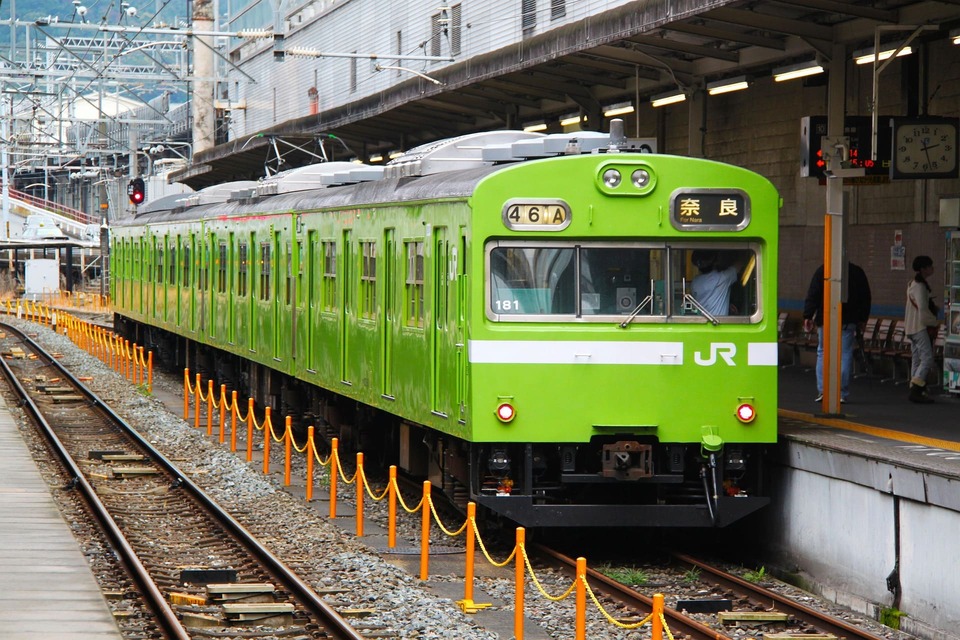
🚃 Morning Rush Hour (7:30–9:00)
Trains are packed so tightly that you can barely move 💦
Sometimes you’re only a few centimeters away from the person next to you.
In this situation, talking is physically difficult — even breathing feels like a challenge.
Naturally, the train becomes silent.
🌆 Evening Commute (18:00–20:00)
You’ll see office workers quietly scrolling on their phones or resting with their eyes closed.
After a long day, the atmosphere is filled with fatigue.
People instinctively avoid disturbing others 😌
📢 Train Announcements Reinforce the Quiet Culture
You’ll often hear:
“Please keep conversations to a minimum.”
“Set your phone to silent mode and avoid talking on the phone.”
Hearing these messages every day shapes the shared belief that
“being quiet on trains is normal.”
🟨 So… Are You Not Allowed to Talk at All?
The answer is NO!
Relax — talking is not banned ✨
Chatting with friends or family is totally fine.
The key is your volume.
As long as your voice doesn’t bother others, you’re perfectly okay 😊
Think of it as “whisper-level conversation.”
If the person next to you can’t clearly hear you, you’re doing great.
Keeping laughter soft also helps.
Easy Train Etiquette Tips You Can Use Right Away
✅ When talking
Lower your voice just a little — about 70% of your normal volume 💡
✅ When you get a phone call
It’s better not to answer on the train.
If it’s urgent, step off at the next station and call back 📱
✅ During crowded times
Keep conversations short or switch to texting
✅ For parents with young children
Don’t worry — people understand that kids make noise 😊
No one expects complete silence from them.
This Knowledge Will Help You Everywhere in Japan ✨
Once you understand Japanese train etiquette, you can apply it in many other places:
On your next trip to Japan
You’ll feel confident on any train line
In other quiet public spaces
Libraries, museums, hospital waiting rooms — the same mindset applies
In understanding Japanese culture
You’ll shift from “Why is it like this?” to “Oh, this is their way of being considerate.”
It’s like learning a map that helps you navigate many different cities 🗺️
Japan’s rail system is famous worldwide for its punctuality and efficiency.
Being someone who can comfortably use its quiet spaces is a huge advantage for your travels and daily life 💪
🟨 What I Want You to Remember
Japanese people aren’t quiet on trains because they’re cold or unfriendly.
They simply want to respect the time and comfort of the people around them 💕
Now that you know the background, you don’t need to feel nervous on Japanese trains anymore.
Next time you ride, take a moment to enjoy the calm atmosphere and think:
“This quietness… this is part of Japan’s charm.”
If that thought crosses your mind, I’ll be so happy 😊
Enjoy the scenery, listen to music, read a book —
Japanese trains offer a peaceful space that’s hard to find elsewhere ✨
I hope your train journeys in Japan become even more comfortable and enjoyable! 🚃💨